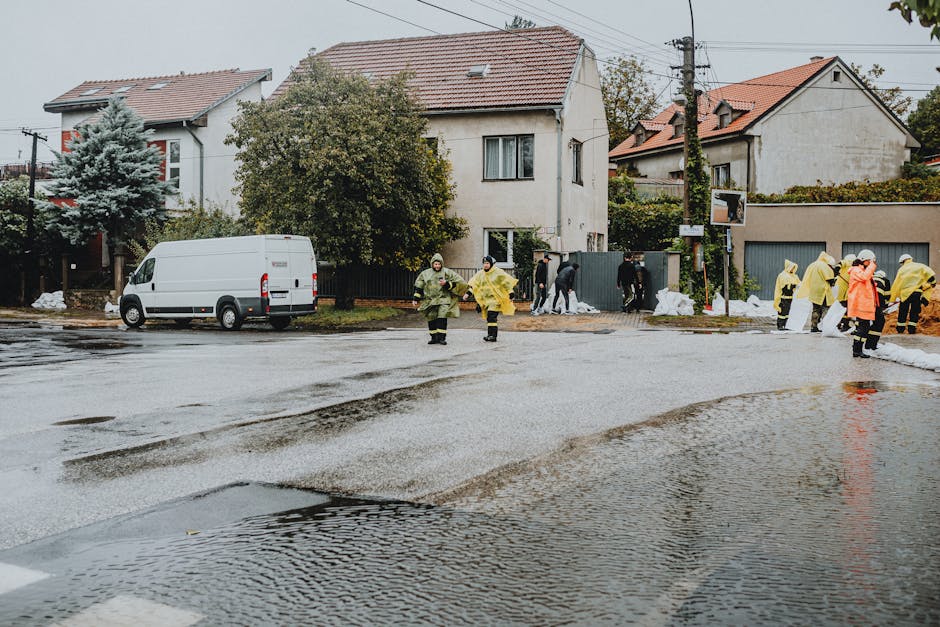
Emergency flood cleaning Clapham Junction urgent response
If water has poured into your home, flat, office, or shop near Clapham Junction, the first few hours matter more than most people realise. Emergency flood cleaning Clapham Junction urgent response is not just about mopping up visible water; it is about stopping hidden damage, reducing odours, protecting electrics, and getting life back to normal before damp settles in and makes everything harder. In a busy part of South West London, where homes can be close together and access can be awkward, speed and method both count. This guide explains what emergency flood cleaning involves, how the process works, what to do first, and how to choose the right help without wasting precious time.
Flooding can come from a burst pipe, overflowing appliance, backed-up waste, a roof leak after heavy rain, or even a neighbour's problem filtering through ceilings and floors. Let's face it, when you are standing in wet socks looking at a spreading puddle, you do not want generic advice. You want the right sequence, the right tools, and a clear idea of what happens next. That is exactly what this article gives you.
Practical takeaway: the best flood clean-up is the one that starts quickly, removes moisture thoroughly, checks for hidden water, and prevents secondary issues like mould, warped flooring, and lingering smells.
Table of Contents
- Why Emergency flood cleaning Clapham Junction urgent response Matters
- How Emergency flood cleaning Clapham Junction urgent response Works
- Key Benefits and Practical Advantages
- Who This Is For and When It Makes Sense
- Step-by-Step Guidance
- Expert Tips for Better Results
- Common Mistakes to Avoid
- Tools, Resources and Recommendations
- Law, Compliance, Standards, or Best Practice
- Options, Methods, or Comparison Table
- Case Study or Real-World Example
- Practical Checklist
- Conclusion
- Frequently Asked Questions
Why Emergency flood cleaning Clapham Junction urgent response Matters
Flood water is a time-sensitive problem. Even clean water can start causing damage surprisingly fast, and if the source is contaminated, the health and hygiene risks increase straight away. In flats and terraced properties around Clapham Junction, moisture often moves through skirting boards, under laminate, into subfloors, and down into neighbouring rooms before anyone sees the full extent. That is why a quick response matters so much.
There is also the simple practical issue of disruption. A flooded hallway can stop you leaving the house easily. A soaked living room can make the whole property feel unusable. In a business setting, a wet office or customer area can interrupt work, damage stock, and create a poor impression. Nobody wants to arrive to the smell of damp, the soft squelch underfoot, and that sinking feeling of, "Oh no, this is bigger than I thought."
Urgent flood cleaning is about limiting secondary damage. Secondary damage is the stuff people often miss at first: swelling timber, stained plaster, ruined underlay, mould growth, wiring concerns, and contamination spreading through porous materials. If you leave it too long, even a modest flood can turn into a major repair job. That is the blunt truth of it.
Clapham Junction also has its own local quirks. Busy roads, shared access points, older conversions, and mixed-use buildings can all make clean-up more complicated. A stairwell in a converted house, for example, needs a different approach from a ground-floor office unit. So the response should be practical, not one-size-fits-all.
If the flood is linked to a broader property issue, it can help to think beyond the clean-up itself. For ongoing maintenance around the building, services such as deep cleaning or house cleaning may become relevant after the emergency phase, once the area is safe and dry enough for normal use again.
How Emergency flood cleaning Clapham Junction urgent response Works
A proper emergency flood clean-up follows a sequence. Not a rushed wipe-over. A sequence. That distinction matters because flooding is as much about moisture control as it is about visible water removal.
The first stage is assessment. The cleaner or response team identifies the source where possible, checks the extent of standing water, and looks for safety hazards. That includes electrics, slippery floors, weakened surfaces, and contamination concerns. If the water came from sewage, a toilet overflow, or anything foul-smelling, the clean-up becomes more cautious immediately.
Next comes extraction. This may involve pumps, wet vacuums, absorbent materials, or manual removal depending on the amount of water and the room layout. After that, surfaces are cleaned and sanitised as appropriate, and furniture or items are moved, lifted, or isolated so moisture does not keep travelling upward. Then the drying stage begins. This is the part people underestimate. Drying is not just "open a window and hope". It can require dehumidifiers, air movement, repeated checks, and sometimes lifting floors or removing saturated materials.
In a good response, the team will also inspect for hidden pockets of damp. Water loves to hide behind cabinets, beneath carpet edges, inside underlay, and along wall cavities. You might think a room is dry because the floor looks fine, but the meter tells another story. That is why professional judgement matters.
When flood damage affects soft furnishings or fabrics, specialist cleaning may be needed afterwards. For instance, carpet cleaning, upholstery cleaning, or sofa cleaning can help restore items that are safe to keep, while more heavily affected materials may need replacement. Not every piece of furniture is worth saving, and an honest assessment is part of a proper job.
Key Benefits and Practical Advantages
The biggest benefit of an urgent flood response is simple: less damage. But there are several other advantages worth spelling out clearly, because they affect both the immediate repair and the longer-term condition of the property.
- Less structural deterioration: Fast drying helps prevent warping, swelling, lifting, and crumbling in floors and finishes.
- Lower mould risk: Moisture left sitting for too long creates ideal conditions for mould and mildew.
- Better hygiene: Flood water can carry dirt, bacteria, and unpleasant residues, especially if the source is not clean.
- Quicker return to normal: You can reopen a room, resume work, or simply live comfortably again sooner.
- Reduced cost of follow-up work: The more water you remove early, the less likely you are to face major strip-out or replacement later.
- Less stress: This is not a small thing. A calm, methodical response takes a huge weight off your shoulders.
There is also a trust factor. If you are a landlord, tenant, homeowner, or business operator, being able to show that you acted quickly and responsibly can help with insurance conversations, tenant relations, and general accountability. It is the kind of thing people remember when they are already under pressure.
For properties where regular upkeep is part of the solution, services like regular cleaning or communal area cleaning can support a healthier environment after a flood event, especially in shared buildings where dirt and moisture can linger in hallways and stairwells.
Who This Is For and When It Makes Sense
This kind of urgent response is for anyone dealing with active flooding or a recent water incident where the area is still damp, unsafe, or potentially contaminated. That includes private homeowners, renters, landlords, letting agents, offices, retail units, hospitality spaces, and shared buildings with communal spaces.
It makes sense when the situation is beyond a basic towel-and-bucket job. If the water is spreading, if flooring is saturated, if the source is unknown, or if the smell is already turning stale, you are well into emergency territory. Truth be told, once you are asking yourself whether the floor is "a bit damp" or "actually soaked", it is probably soaked enough to matter.
It is also worth acting fast if the property contains valuables, electronics, documents, fitted furnishings, or specialist flooring. A short delay can turn recoverable damage into irreversible damage. In flats, you may also need to think about neighbouring homes below or beside you. Water does not politely stop at your skirting board.
For some people, the best next step after the emergency clean is a broader reset of the property. If water has left the home looking worn, a service such as one-off cleaning can be helpful once drying is complete. And if the issue happened during a move, move-out cleaning or move-in cleaning may become part of the bigger recovery plan.
Step-by-Step Guidance
Here is the practical sequence I would follow in a real flood-cleaning situation. It is not fancy. It works.
- Make the area safe. If there is any chance the flood has reached sockets, appliances, fuse boards, or lighting, avoid contact and switch off power only if it can be done safely.
- Stop the source if you can. Turn off a valve, isolate an appliance, or contact a building manager if the issue is from a shared system. If you cannot stop it, do not waste time trying to be heroic.
- Move people and valuables out of harm's way. Lift items, move rugs, and protect documents, electronics, and soft furnishings.
- Remove standing water. Use suitable extraction methods based on the size of the flood and the surface type.
- Clean and disinfect affected surfaces. This is especially important if the water came from a contaminated source.
- Start drying immediately. Open access where safe, use dehumidification, and monitor moisture levels rather than guessing.
- Inspect hidden areas. Check under furniture, behind units, along edges, and beneath carpets or mats.
- Decide what can be saved. Some items are salvageable with cleaning and drying. Others are better removed before they create mould or odour problems.
- Document the damage. Take clear photos and make notes for insurance or landlord records.
- Follow up. Return to check for lingering damp, staining, or smells over the next few days.
A small but useful detail: if the flood happened at night or early morning, take notes while everything is fresh in your head. The sound of dripping, the exact room affected, where the water seemed deepest - these little details can matter later when you are explaining the event. Strange, but true.
Expert Tips for Better Results
There are a few things that separate a decent clean-up from a truly effective one. These are the habits that usually save time and hassle later.
- Do not rush to cover up damp. Fresh paint or new flooring over a wet substrate is asking for trouble.
- Check edges and corners first. Water often hides where it is least visible, not where it looks dramatic.
- Lift rather than push water around. Spreading it into other rooms can make the problem worse.
- Use airflow intelligently. Moving air helps, but only if the moisture has somewhere to go. Otherwise you are just rearranging the damp.
- Prioritise porous materials. Carpets, underlay, upholstery, and untreated wood often absorb water quickly and need prompt attention.
- Be honest about replacement. Some things are not worth saving, and holding onto them too long can create more cost later.
Another helpful point: do not assume visible dryness means the job is done. A floor can feel dry on top while the layers beneath still hold moisture. In our experience, that is where many do-it-yourself attempts go wrong. Everything looks fine, then three days later the smell arrives. Not ideal.
If the flood involved exterior water, drainage issues, or water entering from outside, it may be worth considering whether other property maintenance is needed too. Services like gutter cleaning, facade cleaning, or even window cleaning can sometimes be part of a broader maintenance plan, especially for buildings exposed to heavy weather.
Common Mistakes to Avoid
Flood clean-ups go wrong in familiar ways. The good news is that most of them are avoidable if you know what to look for.
- Waiting too long to act: The first delay is often the most expensive one.
- Using the wrong cleaning method: Harsh scrubbing on delicate surfaces can cause more damage than the flood itself.
- Ignoring hidden moisture: That quiet damp patch under the cabinet may be the real problem.
- Reinstalling items too soon: Putting furniture back before the area is properly dry can trap moisture.
- Overlooking contamination: If the water came from drains, toilets, or outside runoff, it should be treated more cautiously.
- Trying to dry everything with heat alone: Heat without moisture removal can make the environment uncomfortable and inefficient.
- Forgetting the documentation: Photos and notes are boring in the moment, but very useful later.
One more mistake, and it happens a lot: people clean what they can see and stop there. To be fair, that is understandable when you are tired and stressed. But flood recovery is really a two-part job - visible cleanliness and hidden dryness. Miss either one, and the problem can circle back.
Tools, Resources and Recommendations
Not every flood requires specialist equipment, but the right tools make a huge difference. A practical flood-cleaning kit often includes extraction equipment, wet vacuums, mops, absorbent materials, disinfectant suitable for the surface type, gloves, protective clothing, airflow equipment, and moisture-checking tools. If the space is larger, dehumidifiers may be essential rather than optional.
For household fabrics or furnishings affected by water, some items may recover well if handled properly. For instance, if carpets or rugs have only been lightly affected and the source was clean, targeted cleaning may be possible. In other cases, materials may need to be removed. A cautious approach is better than a hopeful one. Hope is lovely, but it is not a drying method.
Support services can also matter after the immediate clean-up. Depending on the property, you might need assistance with stain removal, mattress cleaning, rug cleaning, or pet stain odour removal if the flood revealed older hygiene issues as well. The aim is not just to make the room look acceptable for ten minutes. It is to make it genuinely liveable again.
For people comparing service options, it is sensible to review practical information about costs, booking, and service expectations before making a decision. A transparent provider should be able to explain what is included, what may cost extra, and what happens if drying reveals further issues. That kind of clarity saves arguments later. Everyone wins.
Law, Compliance, Standards, or Best Practice
Flood cleaning in the UK often sits at the intersection of safety, hygiene, tenancy responsibilities, and building management. The exact obligations can vary depending on whether you are a homeowner, landlord, tenant, business owner, or managing agent, so it is wise to treat compliance carefully rather than making assumptions.
At a practical level, best practice usually means making the area safe, managing contaminated water correctly, disposing of waste responsibly, and avoiding actions that create new hazards for people nearby. If a business premises is involved, there may be additional health and safety duties to consider, especially if staff or customers could enter the area. If a rented property is affected, landlord and tenant responsibilities may need to be checked against the tenancy agreement and any relevant local procedures.
Insurance requirements can also shape the response. Insurers often expect prompt action to reduce loss, reasonable steps to prevent further damage, and honest documentation of what happened. Keep photos, dates, and notes. Not glamorous, but very useful.
For readers who want to understand how this business approaches safety and service standards, the company's own policy pages are worth reviewing, including health and safety policy, insurance and safety, and terms and conditions. Those pages help set expectations around responsible working and customer confidence.
If the flood also created waste, damaged packaging, or items that need removal, local rules on disposal and housekeeping may become relevant too. In that case, it is sensible to handle the waste promptly and keep the route clear, especially in shared access buildings. A small amount of care here prevents a bigger mess later.
Options, Methods, or Comparison Table
Different flood situations call for different methods. Here is a straightforward comparison to help you judge what is likely to fit your situation.
| Method | Best for | Strengths | Limitations |
|---|---|---|---|
| Basic DIY clean-up | Very small spills or minor clean water leaks | Quick, low cost, immediate response | Often misses hidden moisture; limited drying capacity |
| Targeted emergency cleaning | Localised flooding in one room or area | Faster extraction, better hygiene, more thorough drying | May still need follow-up checks or specialist drying |
| Specialist restoration approach | Severe flooding, contaminated water, or structural saturation | More complete moisture control and damage prevention | More involved, may take longer, sometimes requires strip-out |
The right choice depends on the source, volume, and type of water, plus how long it has been sitting there. A tiny leak under a kitchen sink is one thing. A room full of water from a burst pipe at 2 a.m. is another. Same word - flood - very different problem.
If the affected area is commercial, the balance can shift even further toward a professional response because downtime costs real money. In workplaces, commercial cleaning or office cleaning may be part of the restoration path after the emergency stage is complete.
Case Study or Real-World Example
Here is a realistic example. A tenant in a Clapham Junction flat comes home on a wet Thursday evening to find water spreading from under the kitchen unit after a supply hose fails. The floor is slippery, the kickboards are soaked, and the smell is already slightly metallic and stale. Nothing dramatic, but enough to know this is not going to sort itself out.
The first priority is safety. Power to the immediate area is checked, the water source is isolated, and items near the affected zone are lifted. The visible water is removed, the base of the kitchen is inspected, and hidden damp is checked behind the unit edges and under nearby flooring. A drying plan follows, with the kitchen left open and monitored over the next couple of days.
What matters in this kind of situation is not the amount of mopping. It is the decision-making. The tenant does not keep walking across the floor, does not put towels over it and call it fixed, and does not move furniture back too early. Small decisions, big difference. A few days later, the area is dry enough to use again without that tell-tale damp smell creeping back.
If the flood had been ignored overnight, the story would probably have changed. The cabinet base could have swelled, the flooring could have lifted, and a simple repair might have become a much larger job. That is the sort of thing that separates a manageable incident from a full headache.
Practical Checklist
Use this checklist if you are dealing with a flood right now or reviewing the next steps after one.
- Identify the source of the water if possible.
- Make the area safe before entering fully.
- Switch off electricity only if it can be done safely.
- Move people, pets, and valuables away from the affected area.
- Remove standing water as quickly as possible.
- Clean and sanitise affected surfaces where appropriate.
- Check hidden areas under furniture, edges, and fixtures.
- Begin drying immediately with airflow and dehumidification if needed.
- Photograph the damage for records or insurance.
- Keep monitoring for damp, staining, or odours over the following days.
- Decide whether items can be saved or should be replaced.
- Do not reoccupy the area fully until it is genuinely dry and safe.
Quick reminder: if the water is dirty, smells bad, or may have come from drains or waste systems, treat it as a higher-risk clean-up and keep contact to a minimum until it is handled properly.
Conclusion
Emergency flood cleaning in Clapham Junction is really about protecting the property before damage multiplies. Act quickly, work methodically, and pay attention to the parts you cannot see straight away. That is the difference between a short disruption and a long, expensive recovery. Whether the flood is from a burst pipe, an appliance, heavy rain, or a shared-building issue, the same principle holds: fast response, thorough drying, and sensible follow-up.
If you want the area restored properly, not just swept into temporary order, it helps to choose a service that understands both the urgency and the detail. That means safety, cleanliness, drying, documentation, and honest advice about what can be salvaged. Simple enough, but not always easy when you are in the middle of it.
Get a free quote today and see how much you can save.
And if you are standing in a wet room right now, take a breath. One good step at a time is enough to get things moving.
Frequently Asked Questions
How fast should emergency flood cleaning start after water damage?
Ideally, as soon as possible. The first few hours are crucial because water spreads into flooring, joints, and soft materials very quickly. Even if the visible puddle seems manageable, hidden moisture can start causing damage almost immediately.
Can I clean flood water myself?
For a very small clean-water spill, yes, you may be able to manage it safely. But if the water is deep, dirty, smelly, electrical, or spread across multiple rooms, professional help is usually the safer and more effective option.
What should I do first when I find flooding in my home?
Make the area safe, stop the source if you can, and move people and valuables away from the water. If electrics may be affected, avoid the area until it has been checked safely.
How do I know if the water is contaminated?
If it smells bad, comes from a toilet, drain, outside runoff, or backed-up waste line, treat it as contaminated. When in doubt, be cautious. It is better to assume a higher-risk clean-up than to underestimate it.
Will emergency flood cleaning remove mould too?
It can help prevent mould by drying the area properly and removing damp materials early. Existing mould may need separate treatment depending on the extent and the surfaces involved.
How long does flood drying usually take?
That depends on the amount of water, the materials affected, and how well airflow and dehumidification are used. Small incidents may dry fairly quickly, while deeper saturation can take much longer.
Do I need to throw away furniture after a flood?
Not always. Some items can be cleaned and dried successfully, especially if they were only lightly affected and the water was clean. Heavily soaked or contaminated items, though, may be better replaced.
Can flood damage affect neighbouring flats?
Yes. In shared buildings, water often travels through floors or walls. If you live in a flat near Clapham Junction, it is sensible to check whether any neighbours are affected too.
Is flood cleaning covered by insurance?
It may be, depending on the policy and the cause of the damage. Insurance cover varies, so it is best to check the wording and keep clear records of the incident, photos, and any action taken.
What is the difference between flood cleaning and deep cleaning?
Flood cleaning deals with urgent water removal, hygiene, and drying after a water incident. Deep cleaning is broader and focuses on intensive cleaning of the whole property or a specific area once the emergency has been handled.
Should I keep using a flooded room if the floor looks dry?
Only if you are sure the hidden areas are dry and safe. Surface dryness can be misleading, especially with wood, laminate, carpet, underlay, and fitted units. When in doubt, keep monitoring it.
What if the flood happened overnight or while I was away?
Act as soon as you discover it. The longer water sits, the more likely it is to soak into materials and create lasting damage. Document what you find, then work through the safe clean-up steps methodically.